 BlinkThorLabs
Giving MentorPi-A1 a Digital Twin: What Changed the Day the Robot Could See Itself
We didn't build the twin to look impressive in a demo. We built it because I was tired of guessing what the robot "felt" from the outside.
Dinh brings a research-informed approach to modeling, control, verification and the representation of physical systems in software. His experience spans battery models, hardware-in-the-loop testing, vehicle-control systems and digital twins. As Principal Robotics Engineer, he connects this foundation with the needs of perception and decision-making systems: explicit assumptions, meaningful observations, testable behavior and a model that can be compared with the physical platform.
FPT Software, Model-based engineering
His BMS/HIL experience includes the design and verification of real-time battery models and the development of advanced test scenarios. This work requires an understanding of physical behavior, model fidelity, timing and the interface between a controller and a simulated plant. It provides a strong foundation for building test environments that reveal behavior and failure modes before every experiment must run on physical hardware.
GEM Japan, Car Connectivity Consortium context
Dinh’s experience includes a digital-twin platform supporting Car Connectivity Consortium operations. The work connects system representation, operational behavior and the interfaces needed to inspect and coordinate a connected platform. In a robotics engagement, the same discipline helps make a model useful to engineers: consistent states, observable interactions and a clear relationship between the software representation and its physical counterpart.
Automotive OEM support, Nonlinear modeling and control
His background includes modeling and verification of complex nonlinear vehicle-control systems. The emphasis is on understanding system behavior and carrying that understanding into verification, rather than treating a control algorithm as an isolated formula. This perspective supports robotics and autonomous-platform work in which sensing, decision logic, actuation, timing and feedback must be considered together.
Dinh earned an M.S. in Electrical and Computer Engineering at Yokohama National University, Japan (2012–2014), followed by a Ph.D. in the same field (2014–2018). His professional experience includes a technical-lead role at FPT Software beginning in April 2018, along with work in MATLAB/Simulink, model-based design and HIL environments. He also brings Japanese and English language capability and experience working with Japan-based engineering teams.
Dinh can help partners clarify a physical-system model, structure a simulation or HIL environment, investigate control behavior and define a verification approach. For robotics, his contribution can connect sensing and state estimation with decision-making and feedback control. He brings depth to engagements where a team needs to understand why a system behaves as it does and how to test a proposed solution systematically.
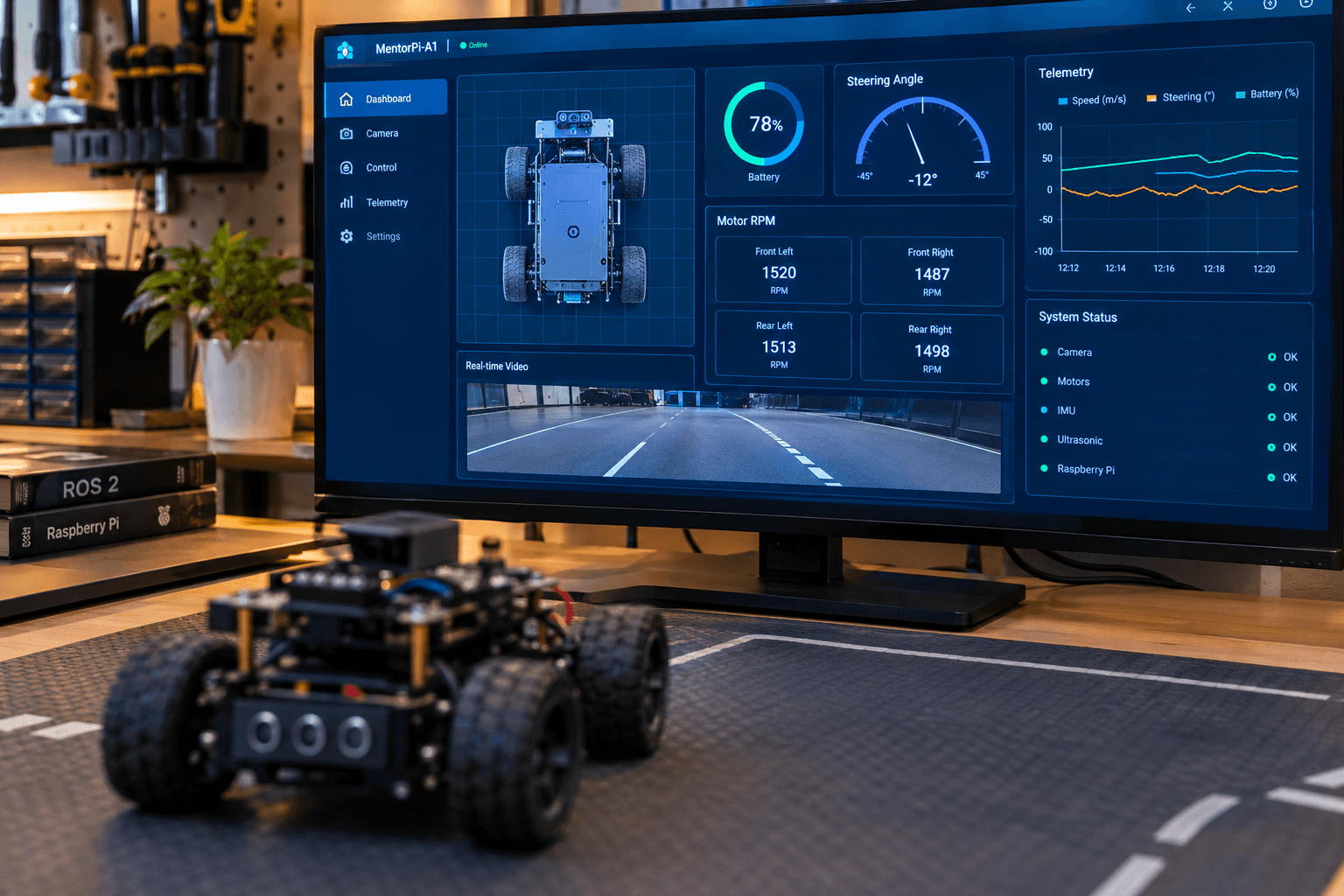
We didn't build the twin to look impressive in a demo. We built it because I was tired of guessing what the robot "felt" from the outside.
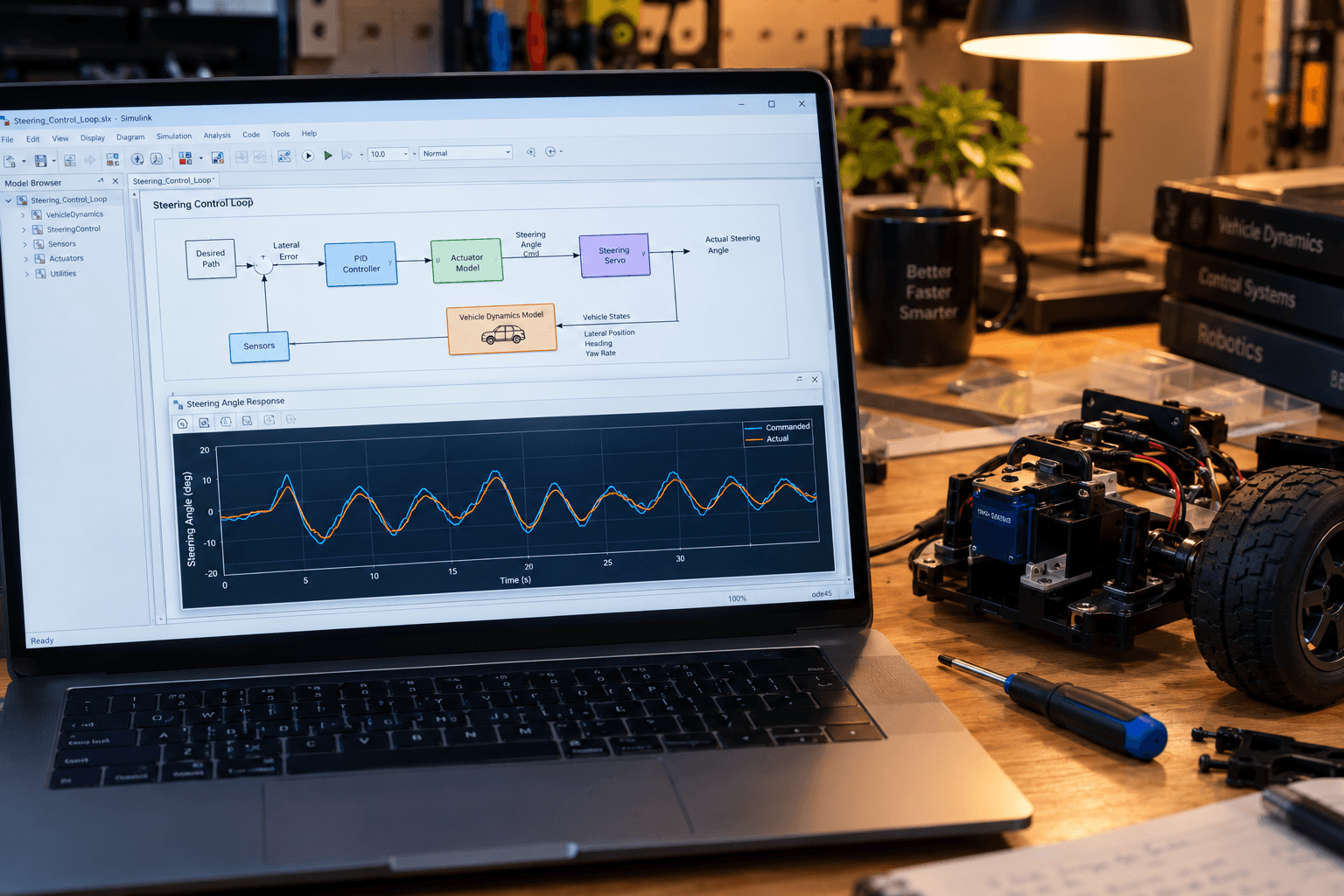
I was ready to blame the servo. The model had been telling me it was something else for two days.
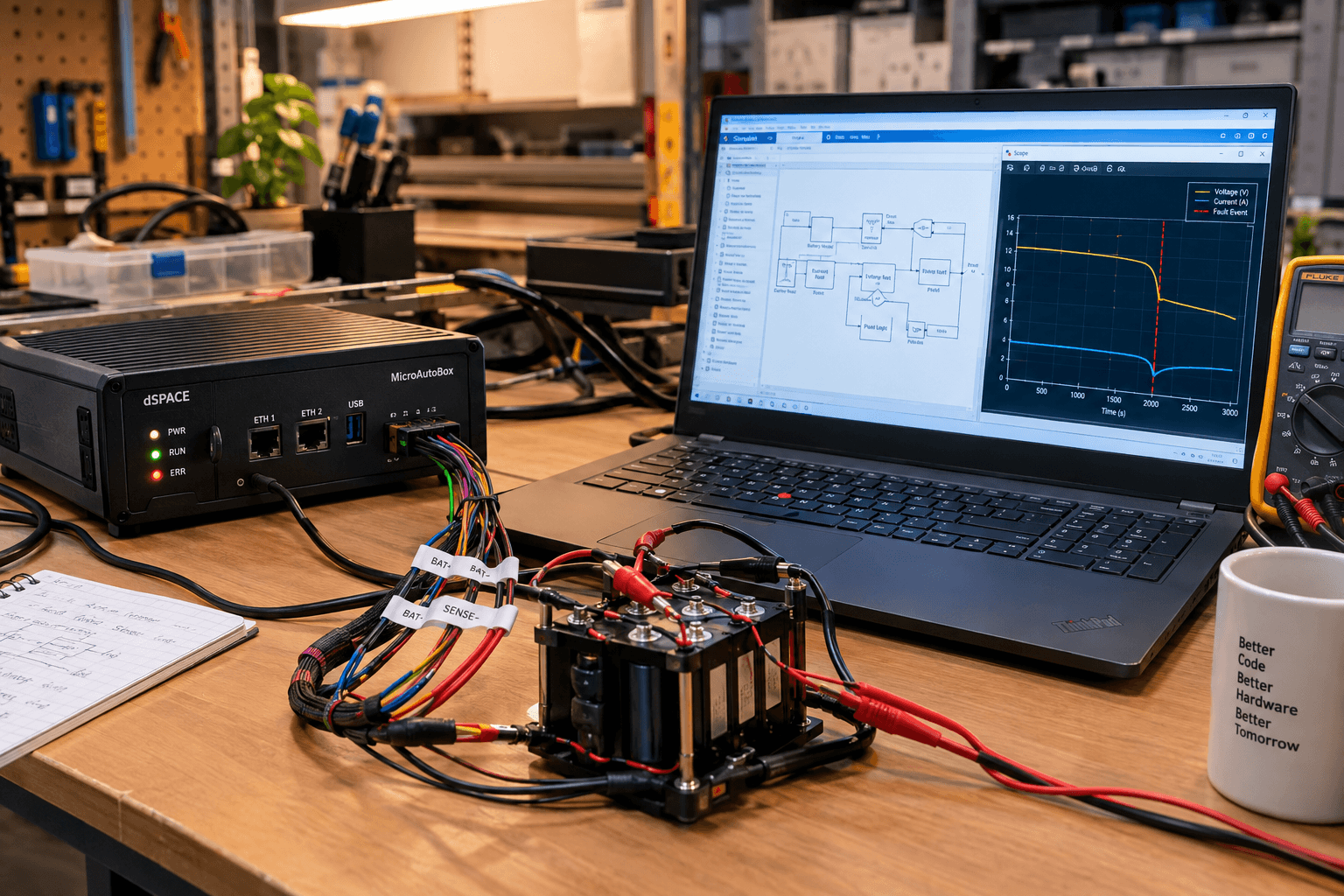
The real cell arrived three weeks late. By the time it showed up, the simulated one had already failed on us four times — for free.
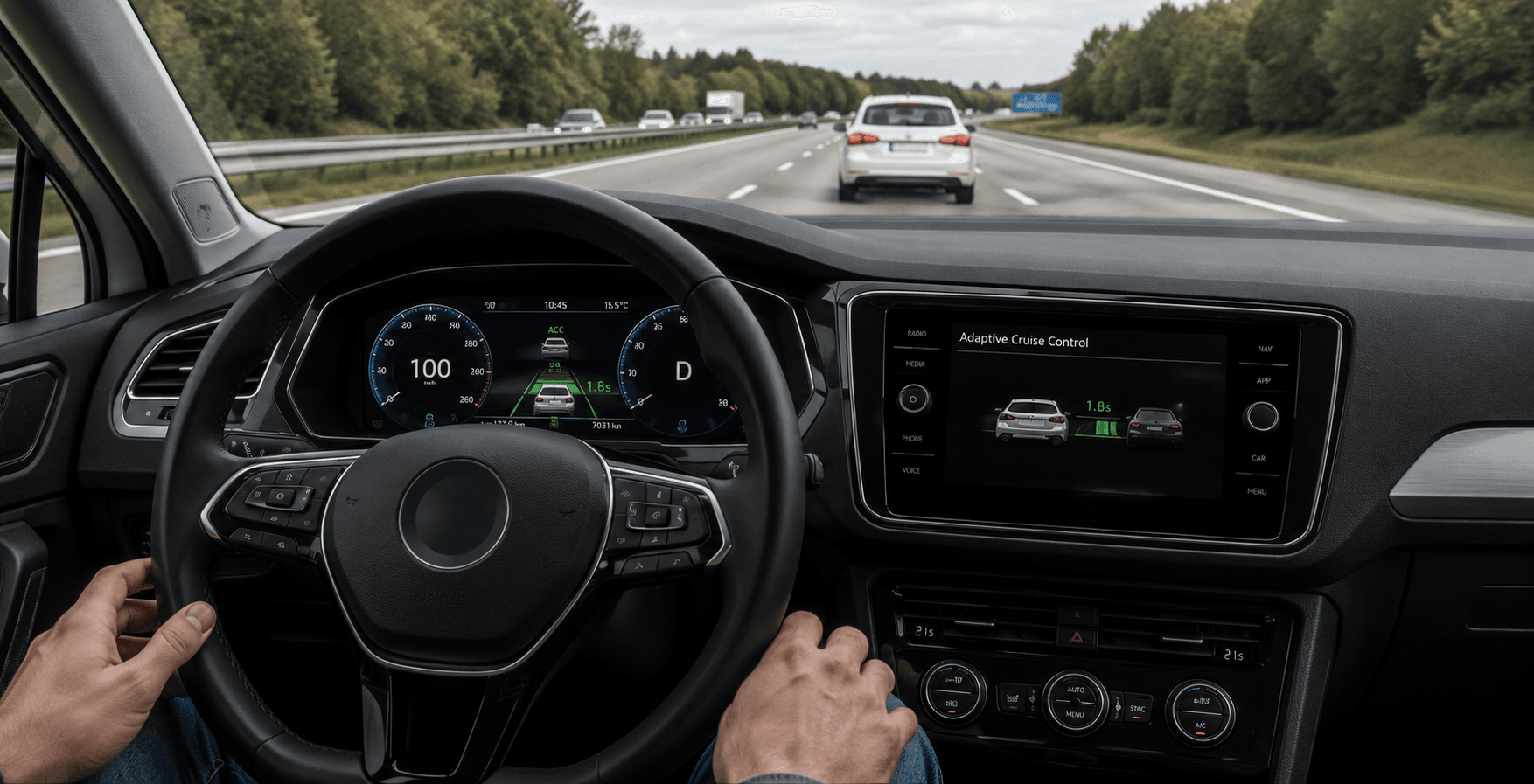
Process noise tuning matters more than your motion model — and jerk matters more than either, if you're the one sitting in the passenger seat.