 BlinkThorLabs
Why Does This Robot Need Two Brains?
A genuine question I had before I understood the answer: the Pi already runs Linux and ROS2. Why bolt on a whole separate microcontroller too?
Binh works across the complete connected-device stack: microcontroller firmware, embedded Linux, wireless connectivity, device interfaces and the applications that make a product useful in the field. His background spans industrial IoT, networking, energy monitoring and automotive telematics. As Principal Embedded Systems Engineer, he brings a practical hardware-to-software perspective to systems that must keep communicating, recover from faults and remain maintainable after deployment.
FPT Software, Embedded development and integration
His automotive experience includes telematics and emergency-call feature development, maintenance, optimization and integration debugging. Working with product owners and program teams, he translates customer issues into reproducible technical investigations and implementable changes. The work combines firmware behavior, communication interfaces, logs, design documentation and the reliability expectations of an always-connected vehicle platform.
Autonomous Inc., Embedded Linux, IoT hardware and wireless systems
Binh’s experience at Autonomous Inc. includes Linux kernel and driver development, Debian/OpenWrt applications and custom embedded-PC schematics using H3 and S5P4418/S5P6818 platforms. Wireless work spans Bluetooth applications on CC2540/CC2541, CC1101 RF networking and ESP8266/ESP32 Wi-Fi. He has also worked with FreeRTOS and TI-RTOS across AVR, MSP430 and ARM targets, connecting hardware constraints to firmware architecture.
SolarBK and VNPT, Energy monitoring and network systems
Earlier programs include MCU bootloaders and FOTA for solar-energy monitoring products, along with network-management applications and modem firmware. This background provides practical context for update behavior, device provisioning, communication recovery and diagnostics. It supports the design of connected products whose long-term operability matters as much as their initial feature set.
His academic foundation is Electronics and Telecommunication Engineering at Can Tho University (2009–2013). He holds a Master’s degree in Electronics & Telecom. His technical practice spans C/C++, Makefile and Python, Linux and RTOS environments, hardware debugging and interfaces including CAN, UART, SPI, LIN, Ethernet, I²C and USB.
Binh can support a partner from platform selection and board interfaces through firmware architecture, connectivity, device applications and field investigation. A collaboration can focus on a new connected product, stabilization of an existing device, an update and recovery strategy, or a difficult integration problem. He brings attention to resource limits, timing, observability and the behavior a customer will experience outside the lab.
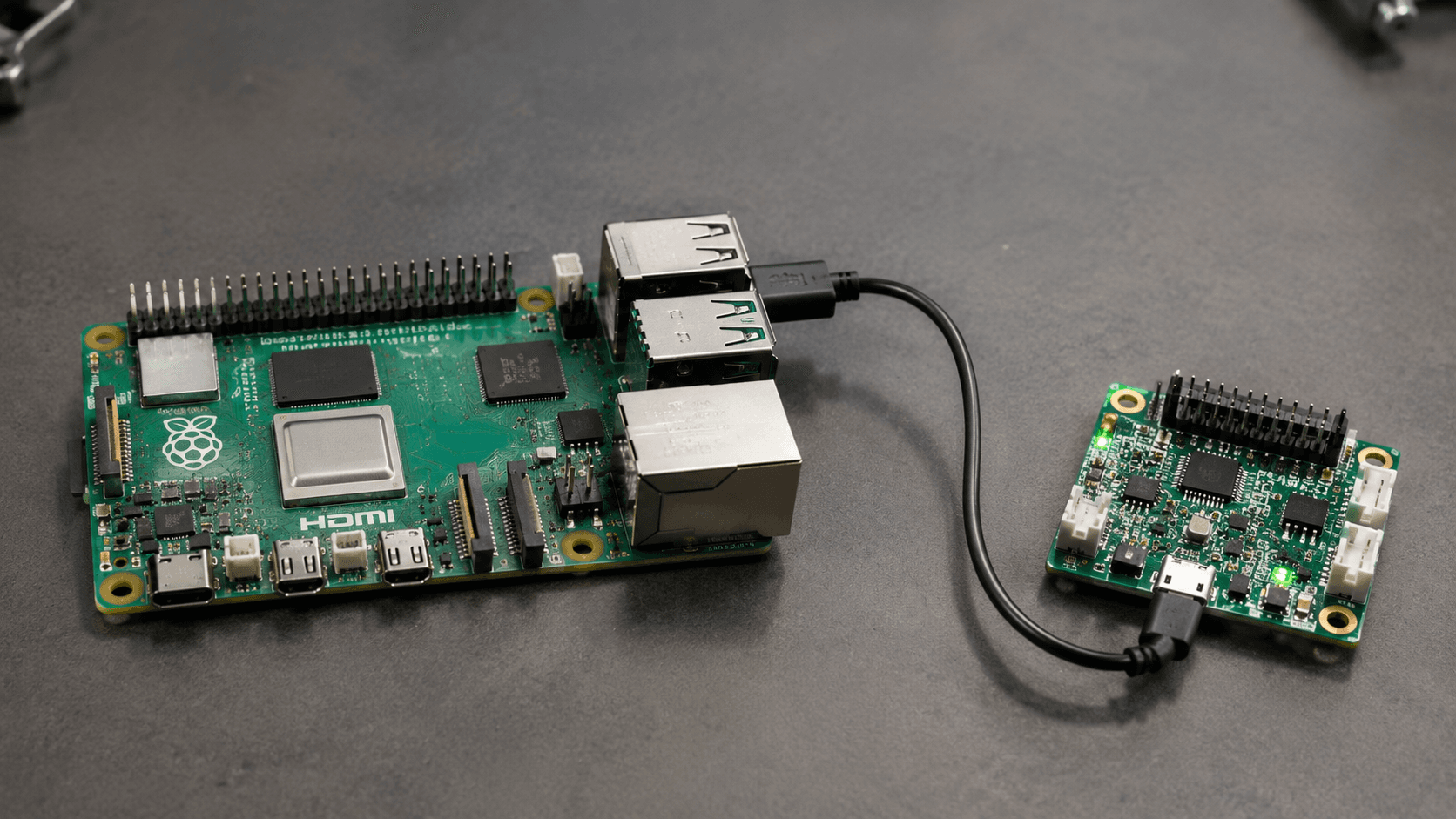
A genuine question I had before I understood the answer: the Pi already runs Linux and ROS2. Why bolt on a whole separate microcontroller too?
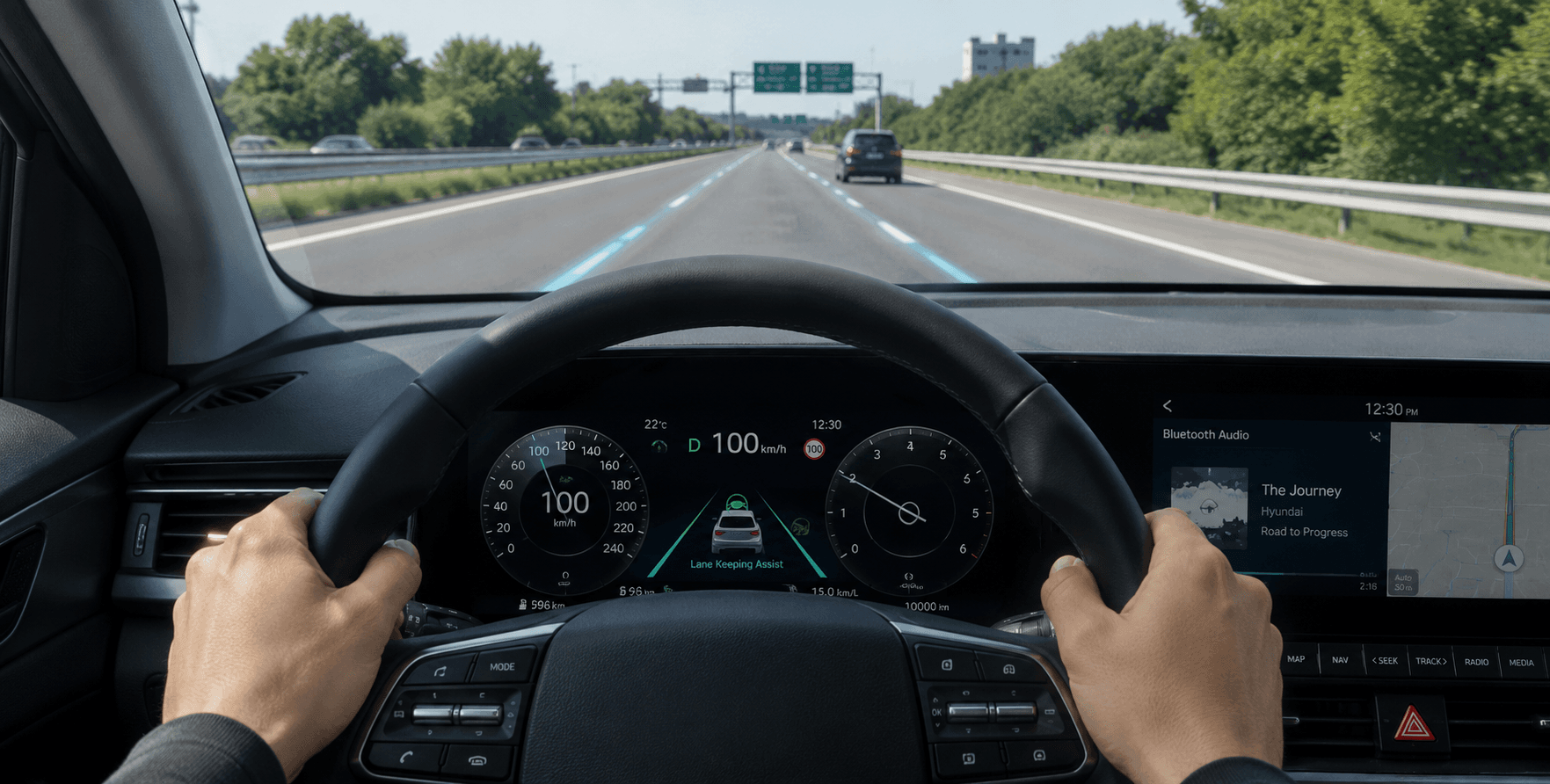
A conversation that actually happened, more or less, over a whiteboard and two cold coffees.
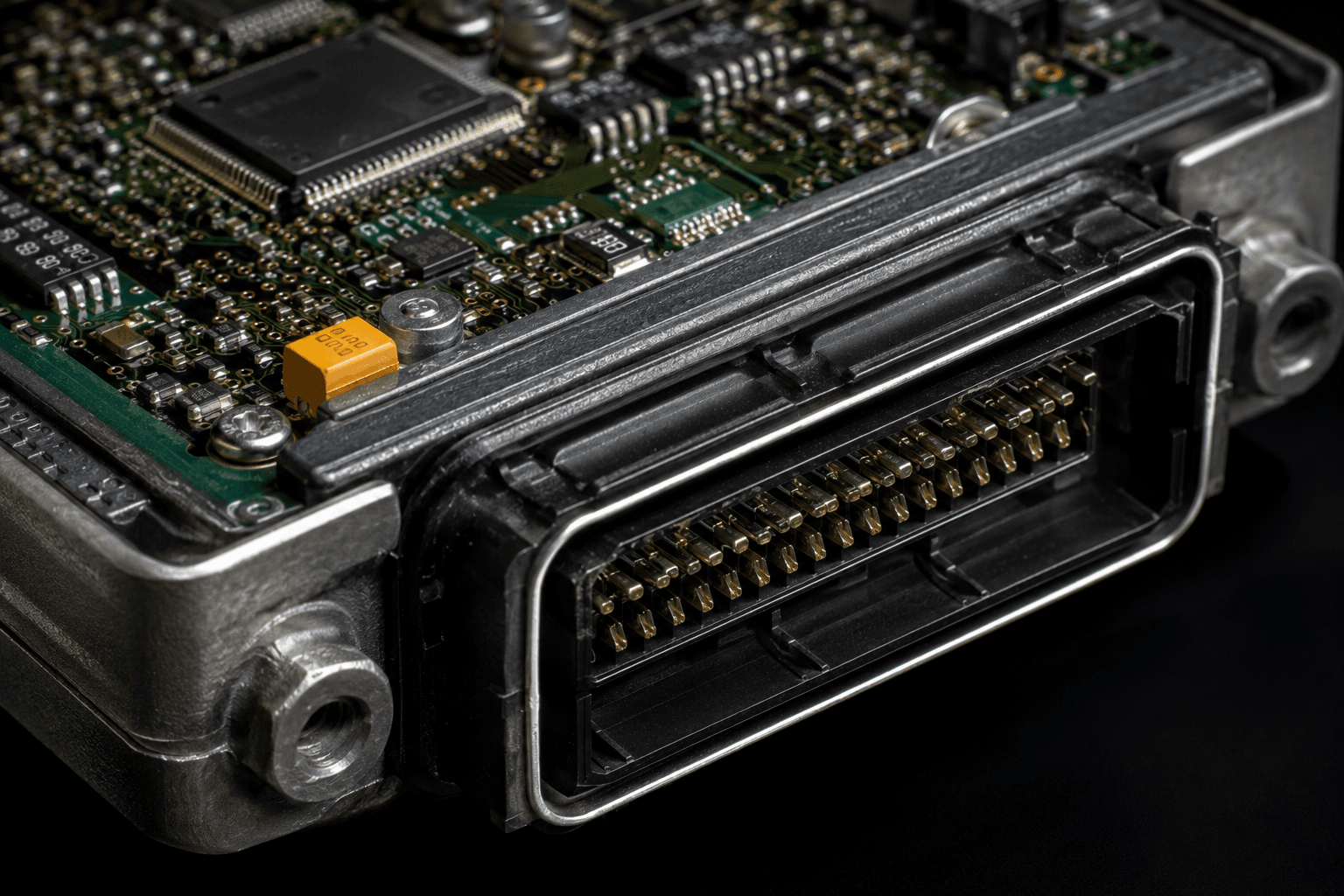
A decision framework, not a recommendation. Answer these honestly and the choice mostly makes itself.
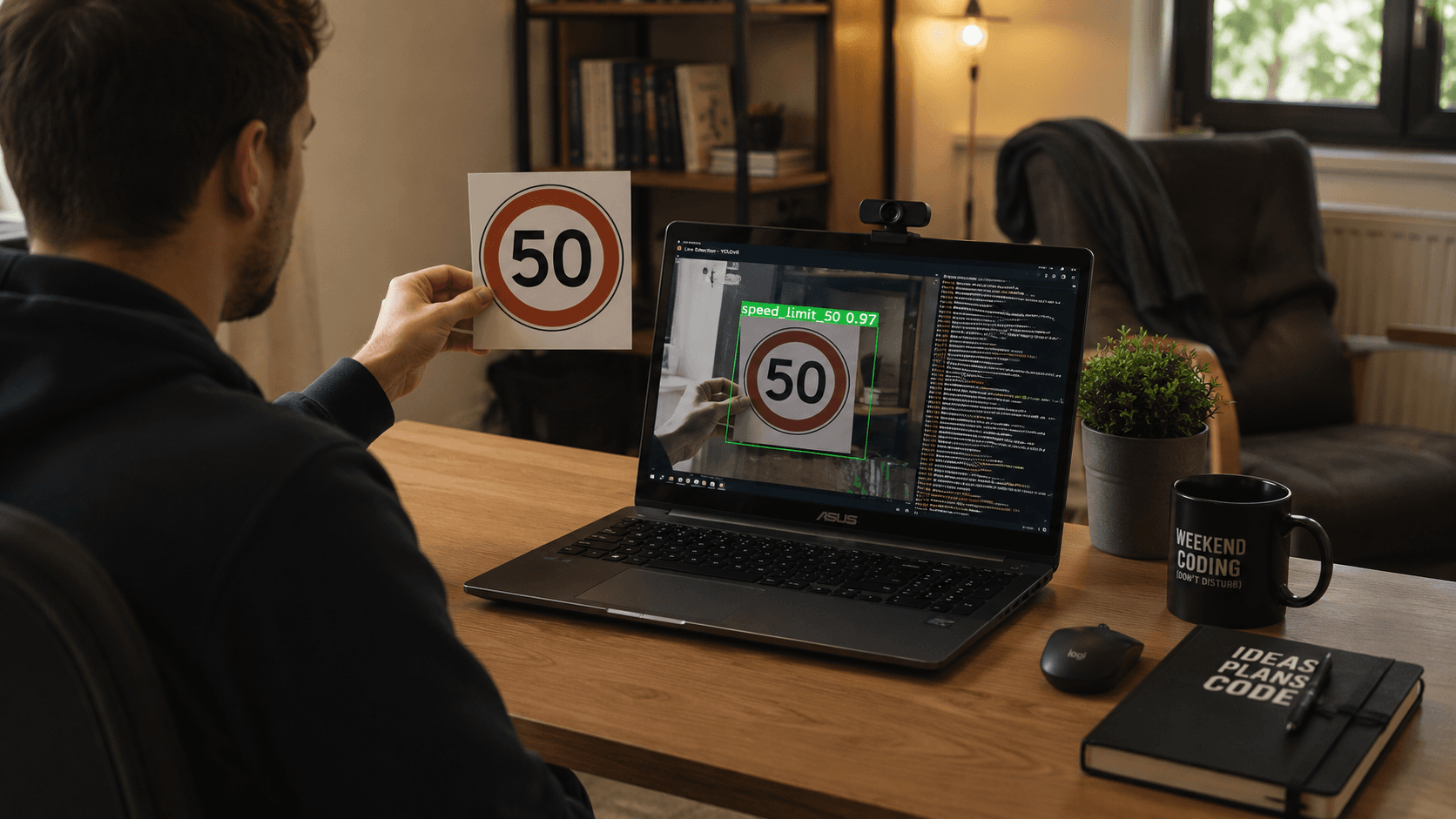
Saturday morning optimism, Saturday night driver hell, and a Sunday afternoon demo that actually worked.
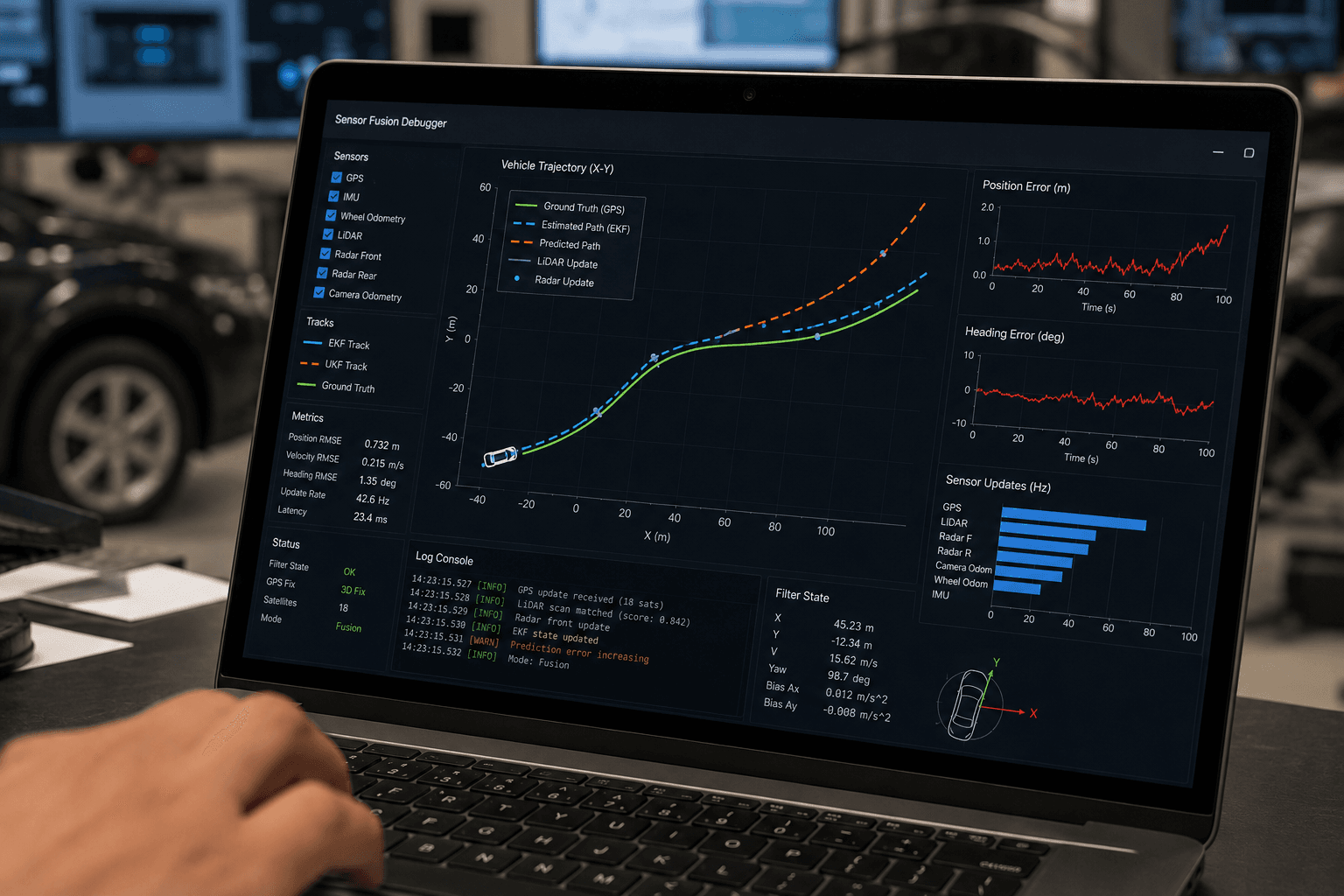
Process noise tuning matters more than your motion model. Here is the math and the fix.